Optimizing Your Cargo for Safer Transport
Essential tips on packaging, labeling, and securing your goods to ensure they arrive safely at their destination.
Read More
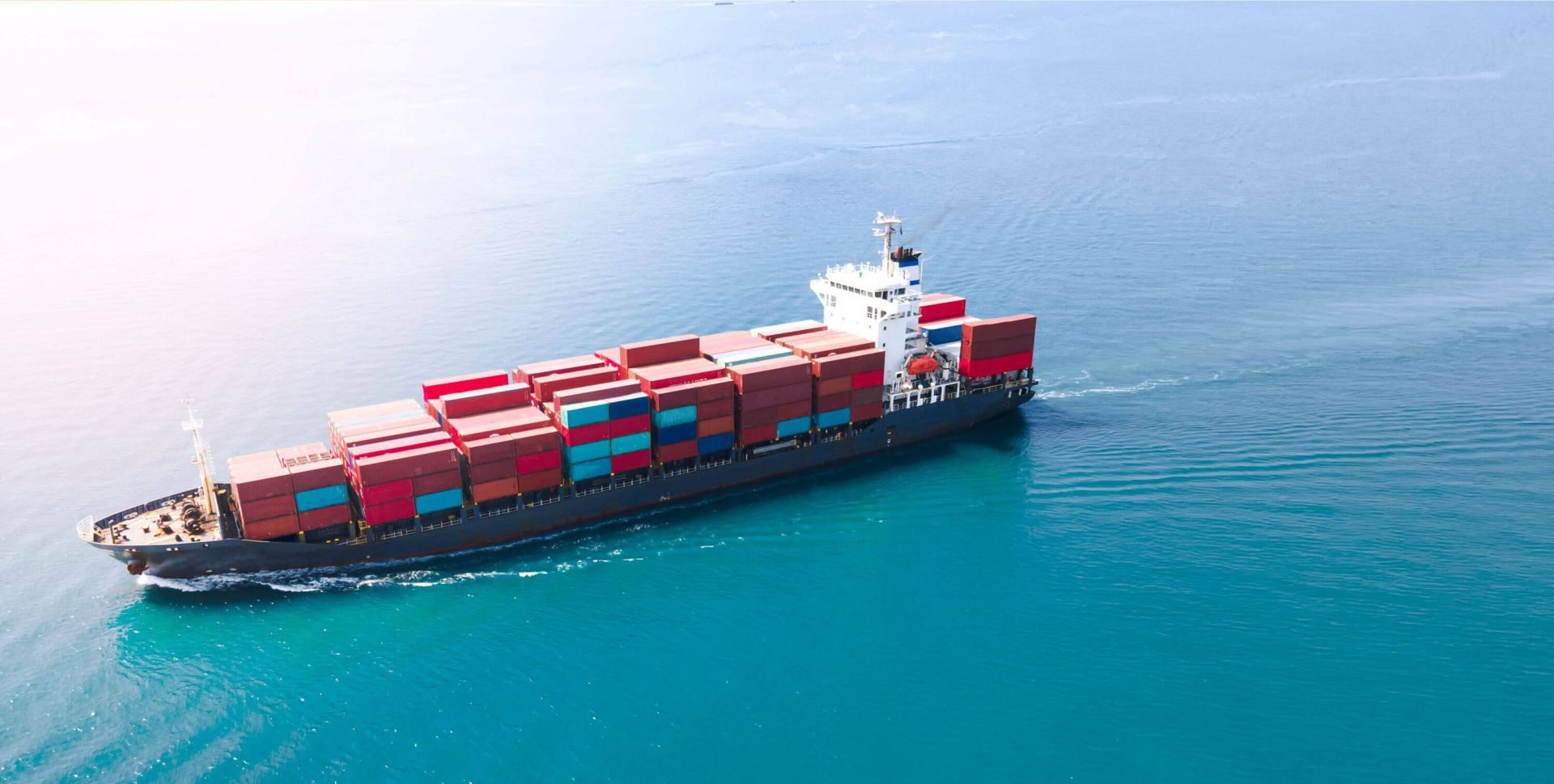
Freight networks that spent the last few years reacting to disruption are now investing in getting ahead of it. Heading into 2027, the shift we're seeing across our own carrier network and among clients is from firefighting to forecasting — and it's changing what shippers should expect from a freight partner.
Port congestion is being managed further upstream. Rather than waiting to see which vessels get delayed at the port, forwarders are increasingly booking earlier vessel slots and building buffer days into quoted transit times for peak season (August through October, ahead of the winter retail push). If your freight partner's quoted transit time doesn't already account for typical seasonal congestion, ask what happens when it hits.
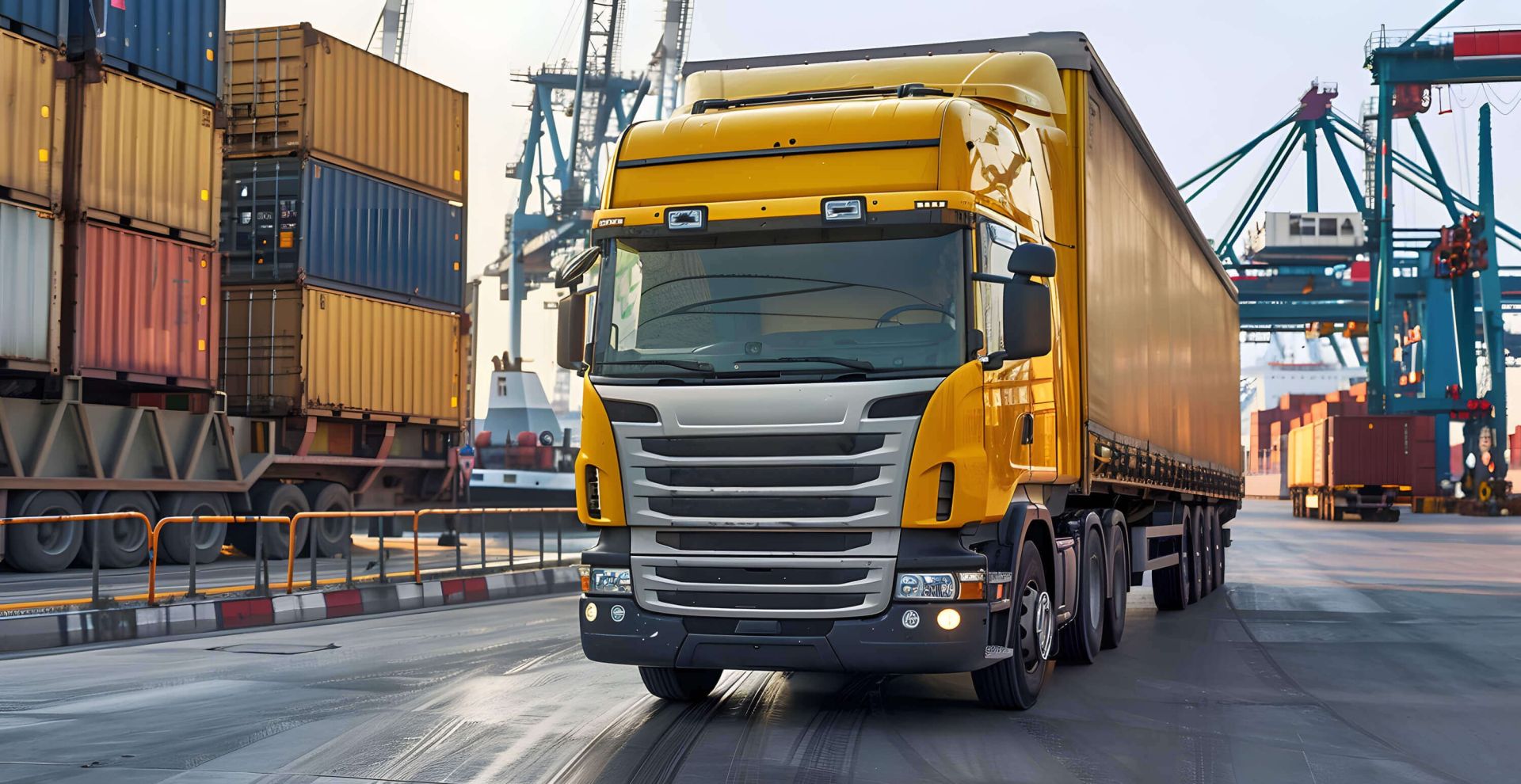
Multimodal routing is becoming the default, not the exception. A shipment that used to travel a single mode end-to-end — all-ocean, or all-air — is now more often routed as ocean-plus-rail or ocean-plus-drayage-plus-final-mile, optimized leg by leg for cost and speed rather than convenience. This is most visible on transpacific lanes into inland markets, where rail-served inland points can now beat a pure-truck routing on both price and reliability.
Digital documentation is finally closing the gap between 'available' and 'actually used.' Electronic bills of lading and digital customs filings have existed for years, but 2026 was the year enough carriers and customs brokers on both ends of a transaction supported them simultaneously to make paperless clearance the norm rather than the exception on most of our lanes.
Visibility expectations have shifted from 'where is it' to 'what's it going to do.' Static tracking pages are table stakes now — the real value is in flagging a likely delay before it happens (a missed vessel connection, a customs hold pattern at a specific port) rather than just reporting today's status. That's the direction we're building our own tracking and notifications toward.
The throughline across all of this: the freight brokers who do well in 2027 will be the ones who treat visibility and proactive communication as part of the service, not an add-on. If you'd like to talk through how any of this affects a specific lane you ship on, our team is happy to walk through it — no obligation.


Stay informed with the latest trends, tips, and news from the transportation industry.
Jul 22, 2026
Essential tips on packaging, labeling, and securing your goods to ensure they arrive safely at their destination.
Read More
Jun 30, 2026
How smart warehousing and inventory management can reduce costs and improve delivery speed for your business.
Read More
Jun 8, 2026
Practical steps freight-dependent businesses are taking to cut emissions without sacrificing reliability or cost.
Read More
An asset-light freight company moving ocean, air, and ground freight for businesses worldwide.